
Prototype = Research mindset
The word "prototype" might have been automatically associated with a digital phone frame where people can click around. But we could actually expand the scope here: as creation itself becomes easier, prototypes can be any form of experiments used to test "what to create."
But prototyping = research. It is essentially a mindset to test what to design. Prototypes can be anything that serves those goals:
- explore more directions
- test more interactions
- simulate more edge cases
- communicate ideas that used to be too expensive to build
- much more
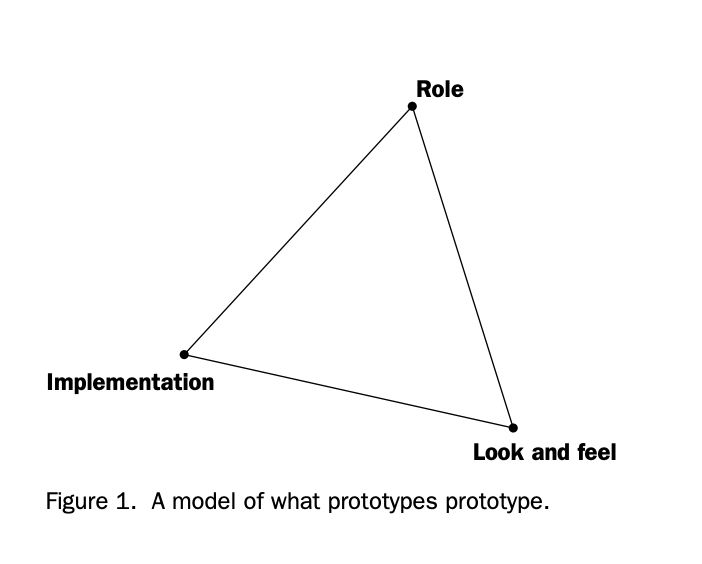
Fig. 1 — Houde & Hill, "What Do Prototypes Prototype?" (1997). Stanford HCI.
Look & Feel

A collection of reimagining the chatbot
Prototypes that test how something feels to interact with—motion, tone, visual language. Does it feel right? Does it feel trustworthy? You can't answer this with a spec doc.
Implementation

A2UI & Generative UI
Prototypes that test whether it actually works—the underlying logic, the data flow, the edge cases. These expose what can't be assumed and what the tech genuinely can and can't do.
Role

Conversation Design for Human-AI trust
Prototypes that test what role the AI plays—is it a tool, a collaborator, or a caregiver? When AI supports elder care, it can't just be accurate. It has to be present, patient, and human in the ways that matter most.
A specific case: Audio AI — built to elicit errors
The goal wasn't to prove AI works. It was to surface what could go wrong before it actually goes wrong—designing around errors, not hiding them.
See example: Conversations that earn trust →Prototypers for prototyping
Over time, I've noticed I build three distinct types. To explore "what-if"s — to wonder, haha, and expand the solution space before narrowing it. To explain the prototype — to get feedback, and see how others interpret what you've built. And to let others prototype — handing over a foundation others can build on, so the prototype becomes a tool for more prototyping.

Not all prototypes need to be software
The best prototypes often aren't software at all. They're spaces, conversations, sketches, and stories.
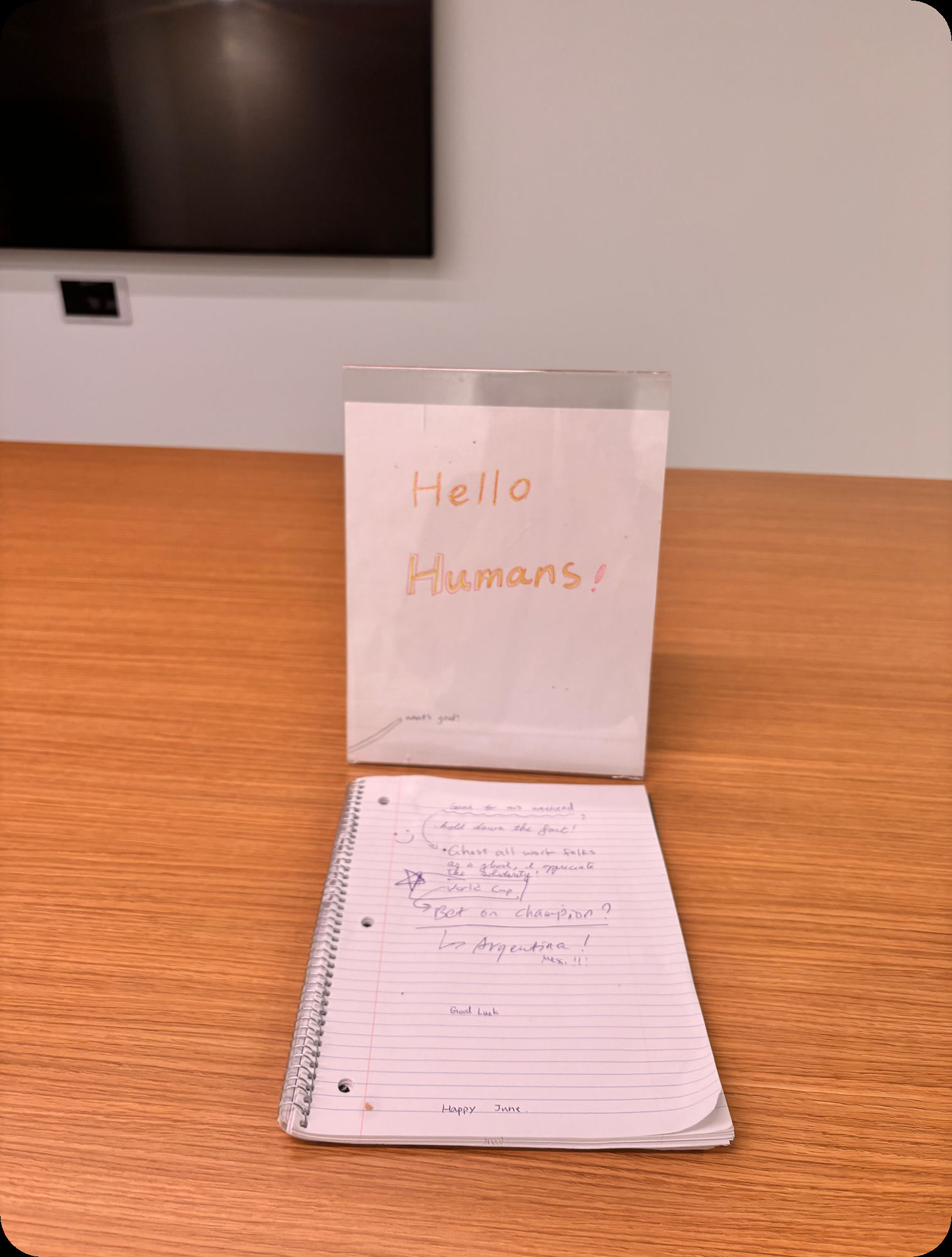
Role haha
Engineer = the LLM, Manager = the User. Assign roles, simulate the system, reveal assumptions instantly.
Paper prototyping
When testing the interaction. Cheap, fast, disposable. Perfect for testing flow without commitment.

- My story with Claude Code — How AI can amplify thinking